What if educators had the community and tools to teach for complexity, not just within it?
We’re building a global movement to help educators, change makers, and systems understanding enthusiasts connect, experiment, and evolve systems change education — together.
As educators, changemakers, and systems thinkers, we already feel the pressure.
We’re teaching and leading amid rapid systems change fueled by areas with chronic underfunding, the rise of AI, mental health crises, cancel culture, environmental stress, and violence and polarization impacting global populations.
Yet many of the systems we work within still behave as if problems are simple and linear — as if the same thinking that created these challenges can somehow solve them. As if fighting harder will fix everything.
Yet, we know, fighting harder only creates more fight. We need to shift gears.
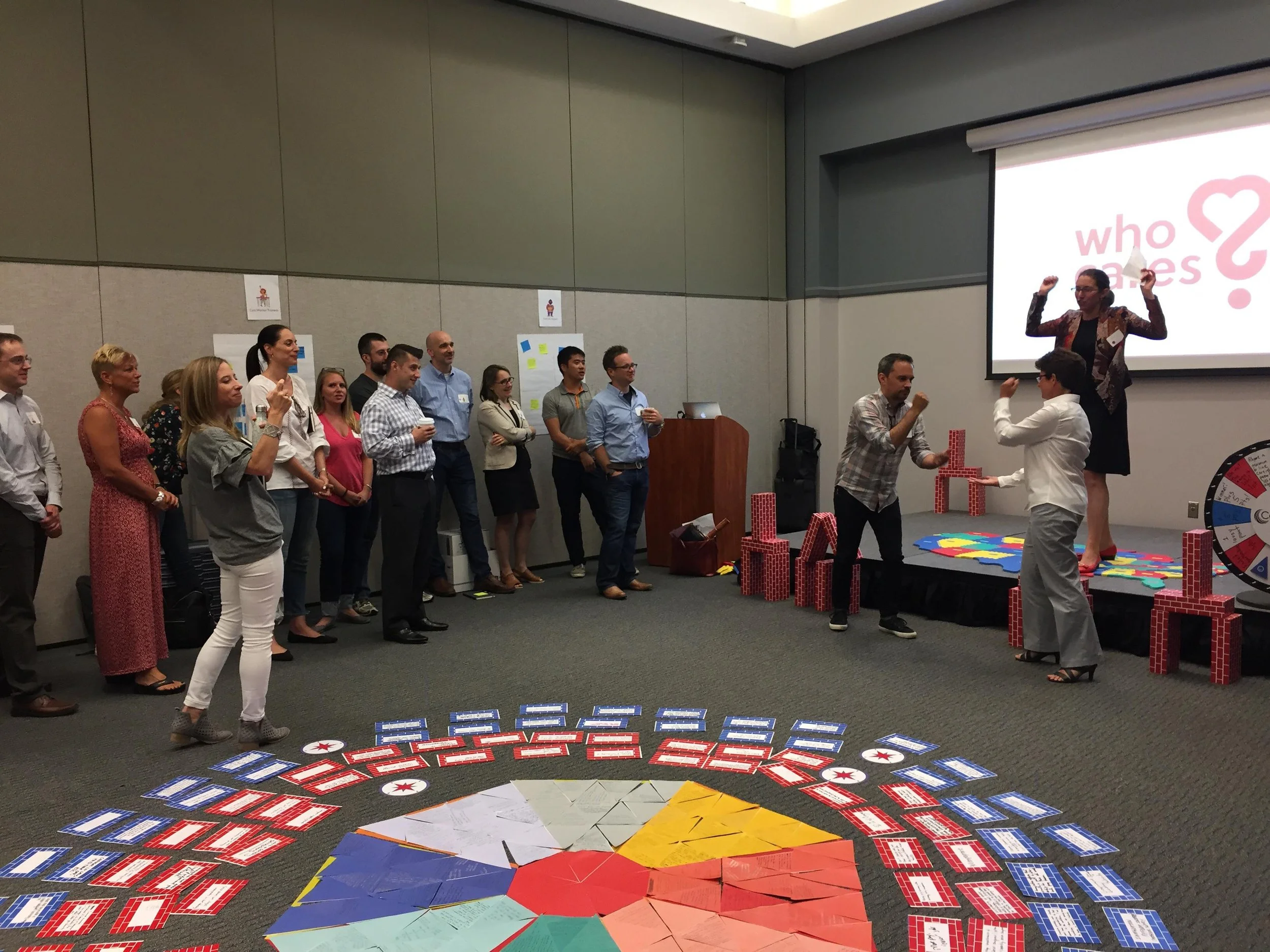
The linear approach to change isn’t serving us. It isn’t serving those we educate for and with. And it isn’t serving our collective futures.
What if you found a place purpose-built for you?
Imagine connecting with educators and changemakers around the world who get it — who understand the weight you're carrying and the complexity you're navigating.
Imagine learning from peers who are also doing this work — sharing what’s working in different contexts and accessing tools, frameworks, and stories made for these times.
We don’t need another professional development requirement or another item on our to-do lists. What we need is community — a movement. A place where educators and innovators can grow together as the agents of change these times demand.

We're building a global community for educators and systems change practitioners who are ready to move beyond linear thinking and influence change in their education offerings and beyond, together.
Introducing
Systems. Change. Educators. Unite.
This community understands that the crises we're facing aren't simple problems to solve — they're symptoms of deeper system dynamics. We are uniting educators and change practitioners who are ready to learn how to contribute to shifting those systems in their classrooms and far beyond and who are committed to providing the tools and practices to help their students do the same.
The future of humanity, this planet, and of education requires systems-aware, self-aware, and impact-focused leaders who, in turn, support the development of those mindsets and skill-sets among their teams, students, and clients.
By connecting and learning together we can not only fuel our own personal growth and capacities, but also our individual and collective capacity to accelerate systems change contributions in a world in need of ethical and impact-focused leaders.
What’s On Offer
A community learning about and in complex systems, together.
Access to a learning community for educators and change leaders from around the world with workshops, networking, and resource sharing opportunities.
A platform to share what we need, want, and can offer in these complex times.
A home to share global systems change education efforts and a place for them to connect, cross-promote, co-learn, and co-create.

What You’ll Get
A learning community that fits your life.
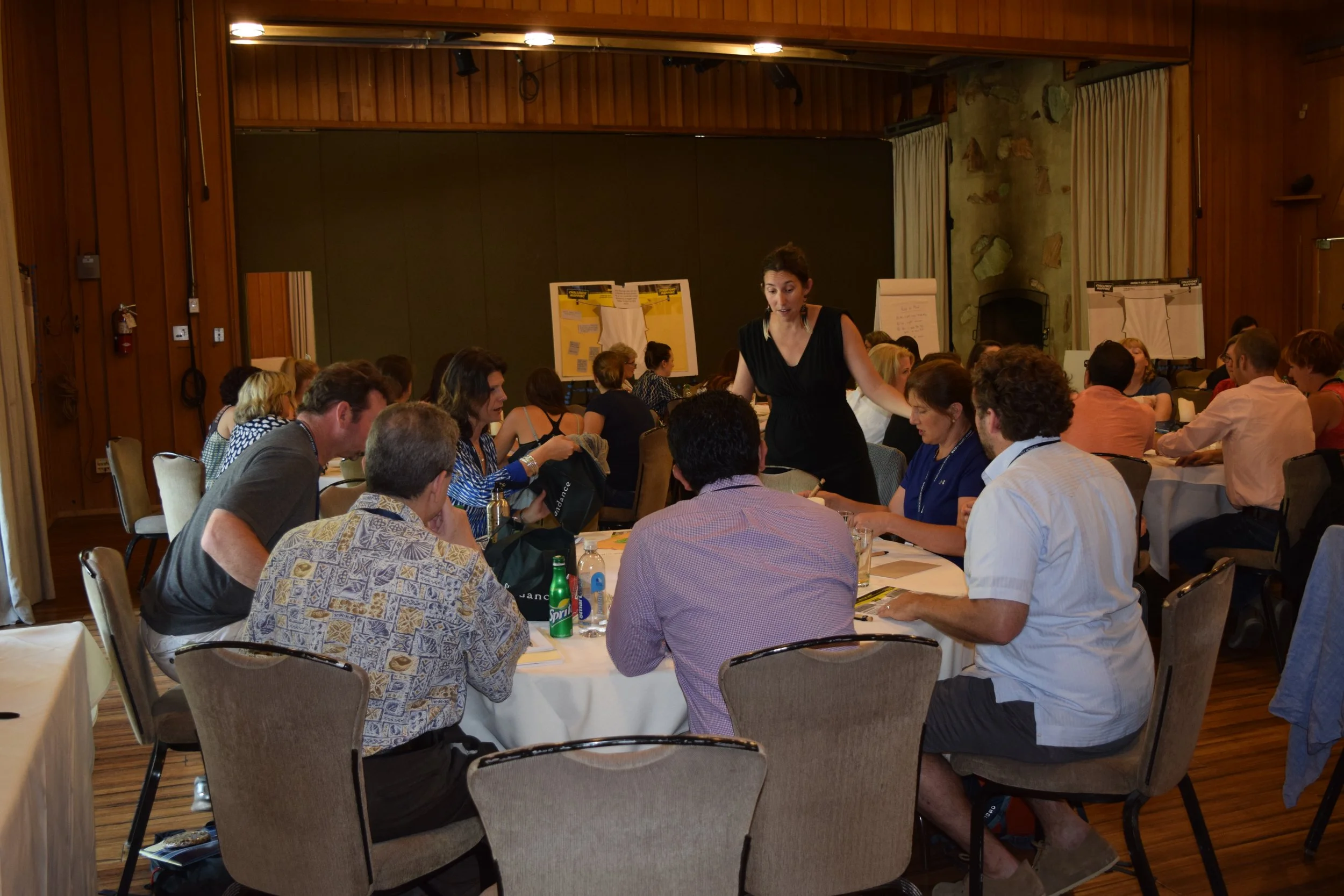
There are different types of calls:
Drop-In Peer Mastermind Sessions:
Bring what's going on for you. No prep required. Just show up, share your challenges, and think through them in small groups with peers who get it.
Facilitated Conversations on Timely Topics:
Things like "teaching in an AI world" or "navigating polarity in the classroom." No prep, just show up and engage with what matters right now.
2-4 Presentations Each Month
Learn directly from the people who wrote the books an made the models, from educators bringing systems thinking into their classrooms, from those working on systems change in their organizations and communities, and more!
Recorded - so you can watch those you miss later!
Who is making this happen?
Hopefully, a lot of us. And we hope you are one of us.
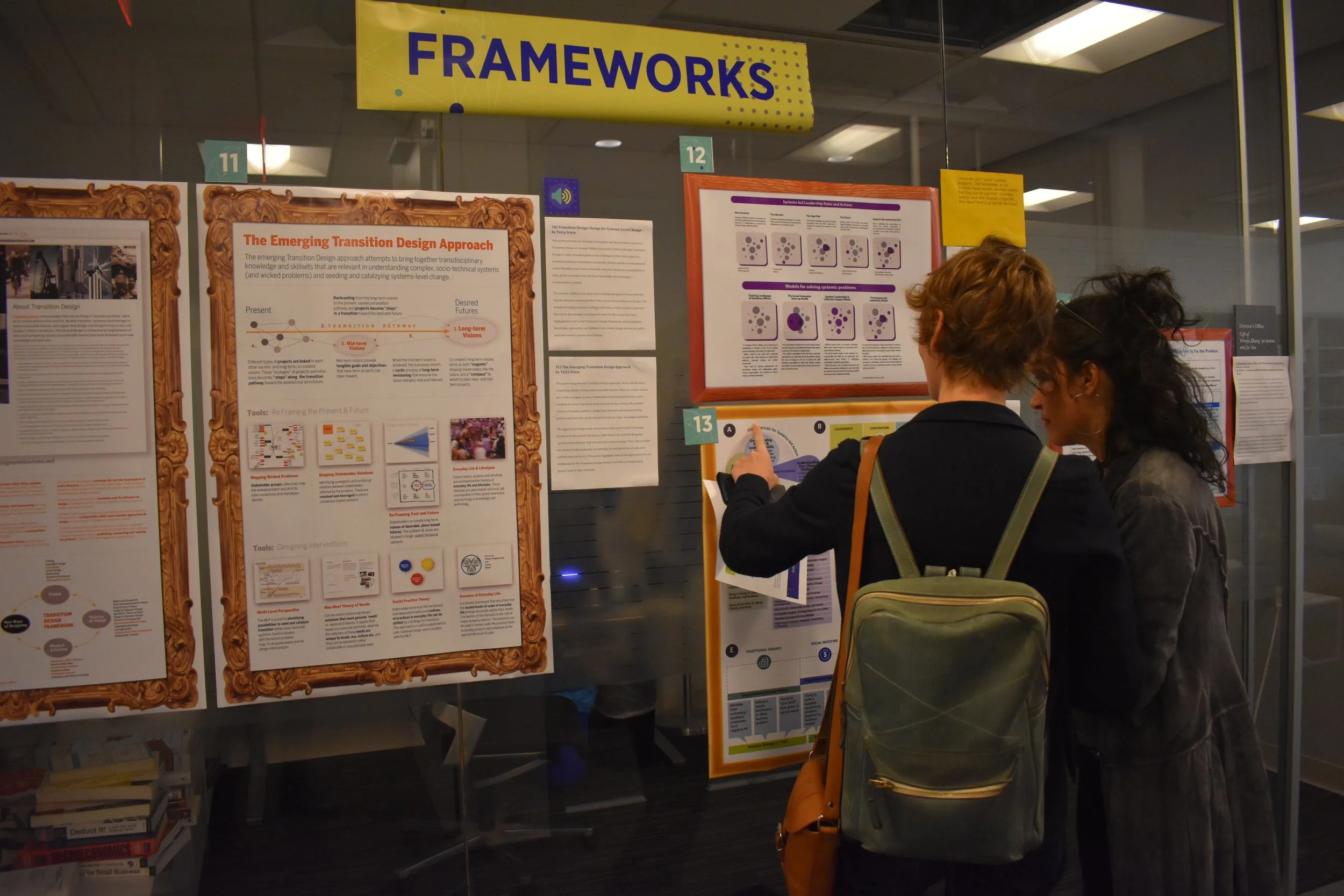
This initiative is a spin-off of a “Social Impact Educators” group started by Daniela Papi-Thornton in 2013. Since then, there have been seven global educator gatherings, with the most recent in November 2025 at Grinnell College in Iowa. See the learning report and “gallery walk” from the 2019 Yale gathering www.systemschangeeducation.com
We have another gathering happening in the UK in July 2026. If you want to be one of the CORE members making this happen, volunteer with our team!
May this work be for the highest and greatest good of all concerned. Thank you, thank you, thank you.

One thing we know for certain about systems change…
…it is never something that happens simply by one person acting alone - it takes many varied contributions. Another thing we know: systems change is happening, even if we take a nap. So if you want to contribute to shaping the systems you care about - the education system, the economic systems, or far beyond - then you need to know how to contribute. And you need the community and inspiration to find our own unique you-shaped hole in the world where you can contribute your gifts into the collective change that is possible, together.
You might find that community here if:
You work in “systems”
If your skills, experience, or passion are related to systems understanding, systems thinking, or systems change, we’d love to have you here.
You work in “change”
If you work in “change” - i.e. innovation, social change, entrepreneurship, internal systems change work, or anything change/innovation related, join us!
And/or you are an “educator”
If you educate, from classrooms and boardrooms, to coaching and facilitation, there is room for you. Learn directly from educators bringing systems thinking into their work, organizations, and communities.
We know there is interest in this work… but what even is it?
In October 2025, with a simple email and a LinkedIn post, 100 people signed up for a call titled “The Future of Systems Change Education” hosted by Daniela Papi-Thornton of Systems-led Leadership and Anna Birney of the School of Systems Change.
One thing that was clear from the group was that there were many view points on what “systems change education” is, why it is needed, and what roles there are to play within it.
Rather than trying to take a linear approach to come to consensus on a definition, we realized something: the different views and different roles are NEEDED.
Here are some of the pathways to “systems change education” that community members put forth:
Some are prioritizing the role of having their educational offerings MODEL systems change:
Centering Indigenous knowledge, focusing on inner work as well as outer action, encouraging radical self-reflection and humility, and other pathways of changing their own educational offerings to align with a future vision of the world they want to contribute to creating
Some are prioritizing education FOR systems change:
With goals of helping those in their programs have the mindsets, skills-sets, tools, case studies, and strategies for understanding and contributing to systems change
Some are prioritizing education IN systems change:
Integrating opportunities for them, or the learners they work with, to explore, research, map, or design contributions to the immediate current contexts shifting around them in these times
Some are prioritizing broader ways of CONTRIBUTING to changing the education systems around them:
Being agents of change in their own institutions for rethinking and redesigning how, why, and for whom those internal systems function
And some are prioritizing BEING the change:
Doing the inner work, practicing presence, building a stronger connection to nature and the sacred, building and being interconnected to communities of practice that are also bringing in more grounded and grounding ways of being in the world, and so much more…